Distributor for
Distributor for
How to Start a Laundromat in India: Investment, Equipment & Layout Tips
Laundromats are an emerging business prospect in India since there is an increasing number of urban masses in the country, coupled with a tendency towards convenient services. The opening of one should be thought through thoroughly, investing, selecting equipment, and efficiency of work.
The price of a laundromat varies according to the size and the location.
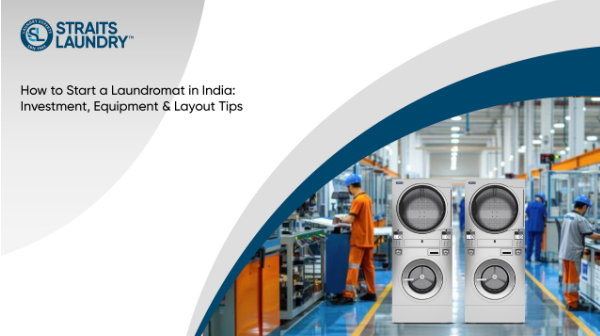
Forty to sixty percent of the total investment is composed of washing machines and dryers. It requires commercial grade equipment (8-12 kg or more) - domestic models are not able to support continuous operations. Stackable washer-dryer appliances can be used in small areas.
The market is moving towards the use of cashless operations. A significant number of laundromats have switched to a UPI-based payment system or QR-based payment systems, so the person does not need to use coins. Automatic tracking and billing using smart cards or apps are also available. Choose the payment model that will be most responsive to the target customers, as the cities with a high concentration of tech-oriented individuals and the increased likelihood to adopt digital methods of payment, the older audience can be offered cash, nonetheless.
To run a laundromat, one has to do a number of approvals:
Experiencing early agreements with local water and labor legislation will prevent fines and shutting down.
An intelligent design enhances effectiveness. Make washers in grouping, dryers in the next group and folding or ironing areas near to them. Clear aisles and offer a small customer waiting area.
Make sure there is 3-phase power, good ventilation, and drainage. The power per unit of commercial dryers is 3.5 kW to 5kW, therefore plan your electricity requirement.
In India, starting a laundromat is a good business that has consistent demand. The quality of equipment, proper layout, and good utilities as well as legality are the keys to success. One of the ways of reducing downtime and earning the customer trust is by ensuring a good operation that is planned.